Impedance Audiometry & Tympanometry
Impedance audiometry is an objective method based on the measurement of the pressure in the middle ear, stapedius reflexes, and tension of the tympanic membrane via Tympanometry. It is one of the most common and most accurate methods for testing the middle ear by Hearing Experts at Aanvii Hearing.

Impedance Audiometry & Tympanometry
The tympanometry test measures how the eardrum moves as air pressure in the ear canal changes, and plots the result on a graph called a tympanogram. At Muskan Speech & Hearing Centre, audiologists use this middle ear test for children and adults. It needs no response from the person, so it works well for babies too.
How is the eardrum test done?
- A soft probe tip is placed at the entrance of the ear canal.
- Air pressure is changed gently while a tone is played.
- The device records how the eardrum responds.
- Acoustic reflex testing may follow to see how the middle ear muscle reacts to loud sound.
What can the results show?
A flat tracing often points to middle ear fluid, a perforation or a blocked canal. A shifted curve may suggest eustachian tube trouble. That makes it a useful middle ear fluid check, especially for children with repeated colds or ear infections.
When is impedance audiometry advised?
It may be considered when someone has:
- A blocked or full feeling in the ear
- Repeated ear infections
- Sudden or fluctuating hearing loss
- Ear pain after a cold or flight
- A child who seems inattentive or slow to respond to sound
We're Providing Best Services
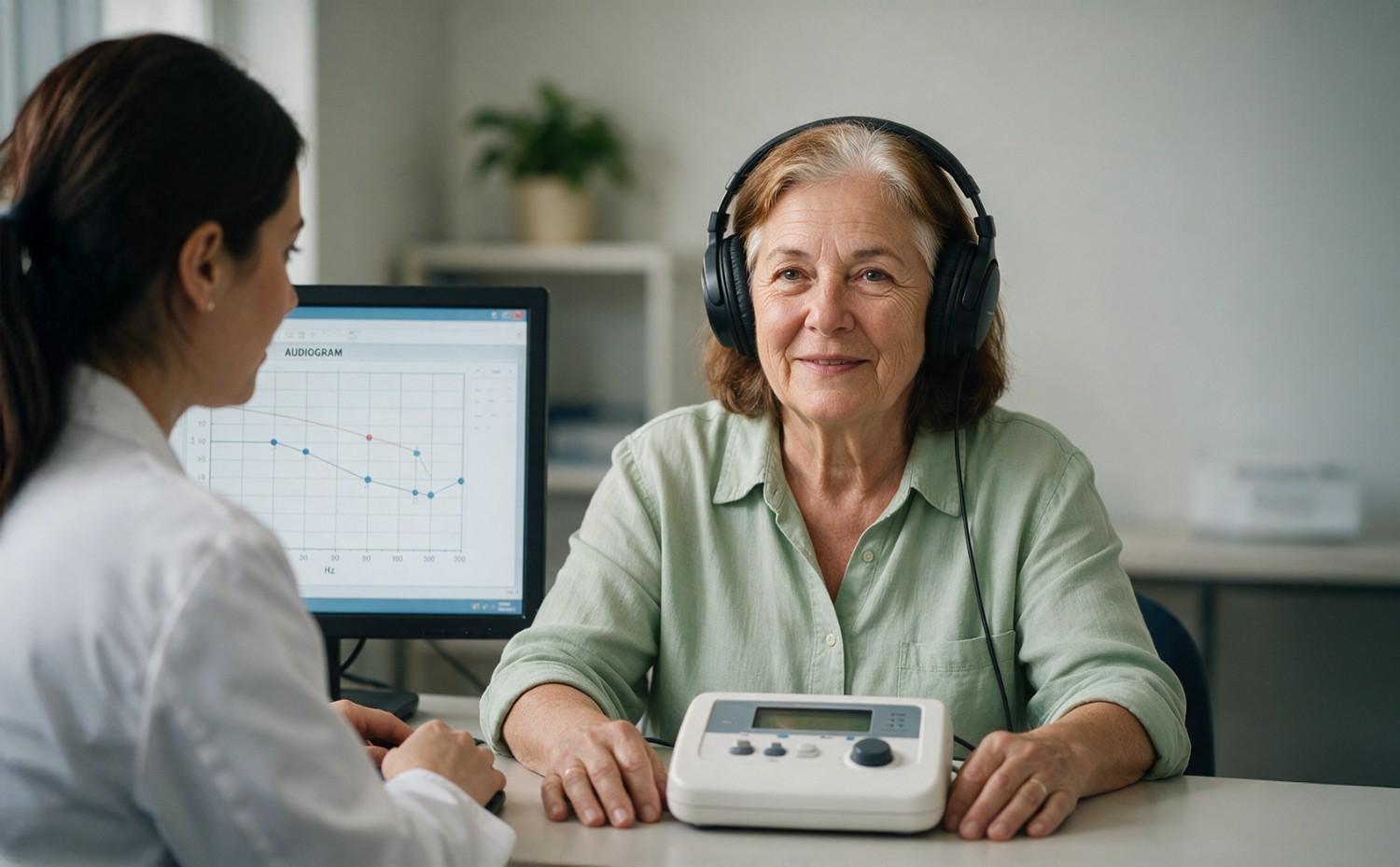

Pure Tone Audiometry
Pure Tone Audiometry (PTA) is the key hearing test performed by our Hearing Experts to establish hearing threshold levels for each patient. It helps d...
Explore More
Tinnitus
Tinnitus is the perception of ringing, buzzing, hissing or humming in the ears when no matching external sound is present. It is a symptom, not a dise...
Explore More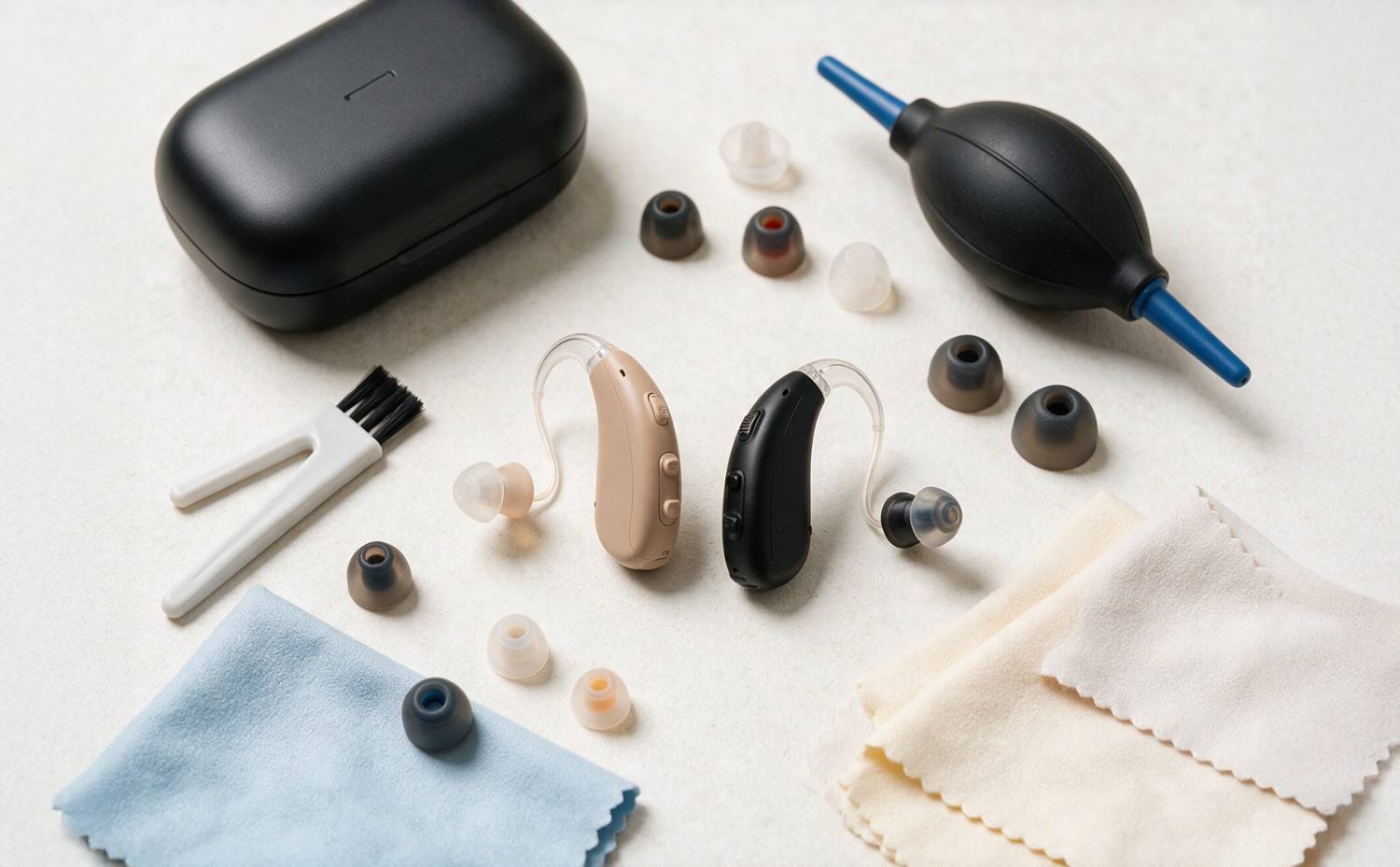
Hearing Instrument Accessories
Hearing aid accessories now do more than the basics. Remote controls and AI-assisted apps let users adjust volume and programs discreetly. Bluetooth s...
Explore More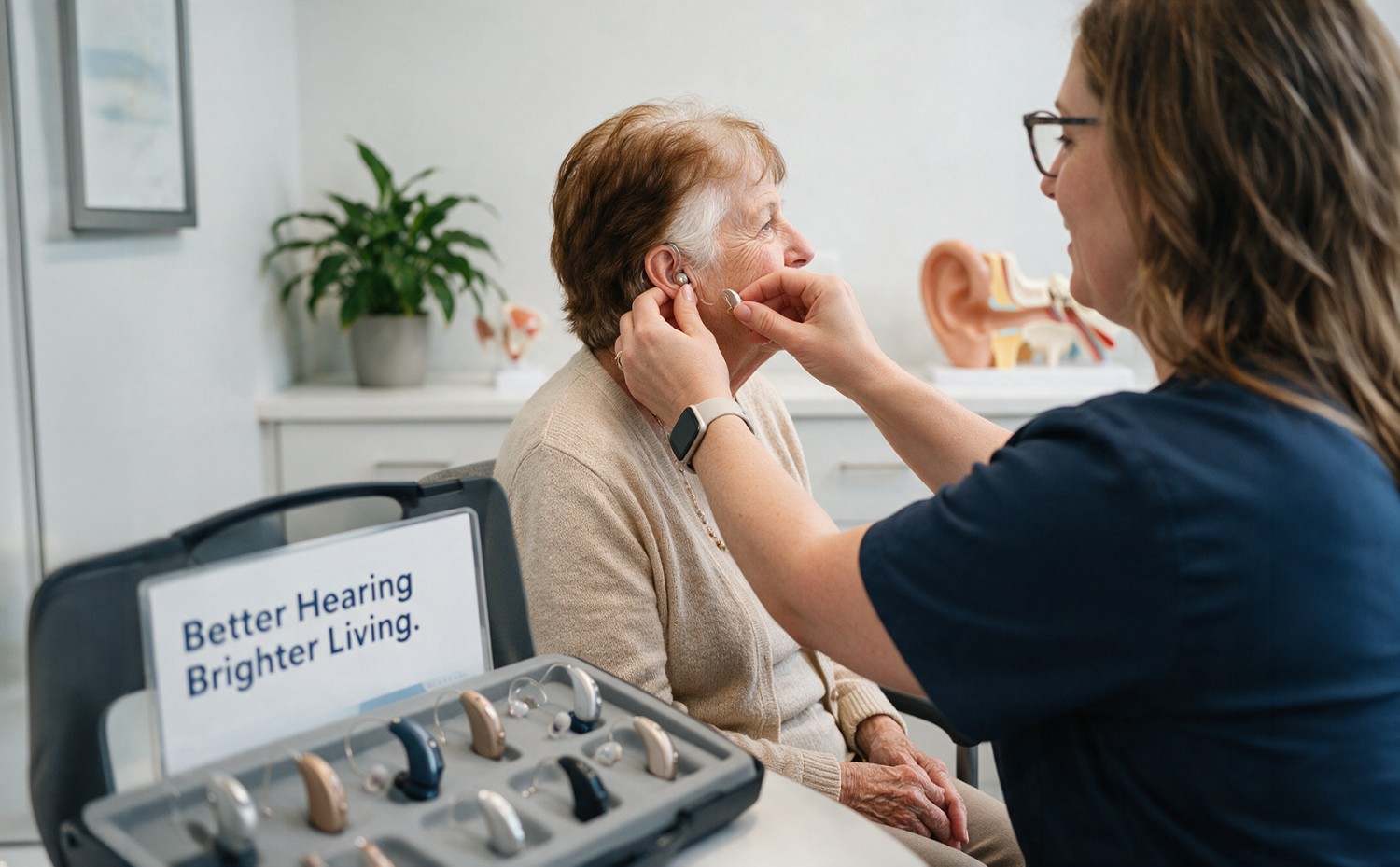
Trial & Sales of Hearing Instruments
Every ear tells a different story. Our Signia range spans sleek, invisible styles to advanced tech built for real life. Our experts listen first, then...
Explore More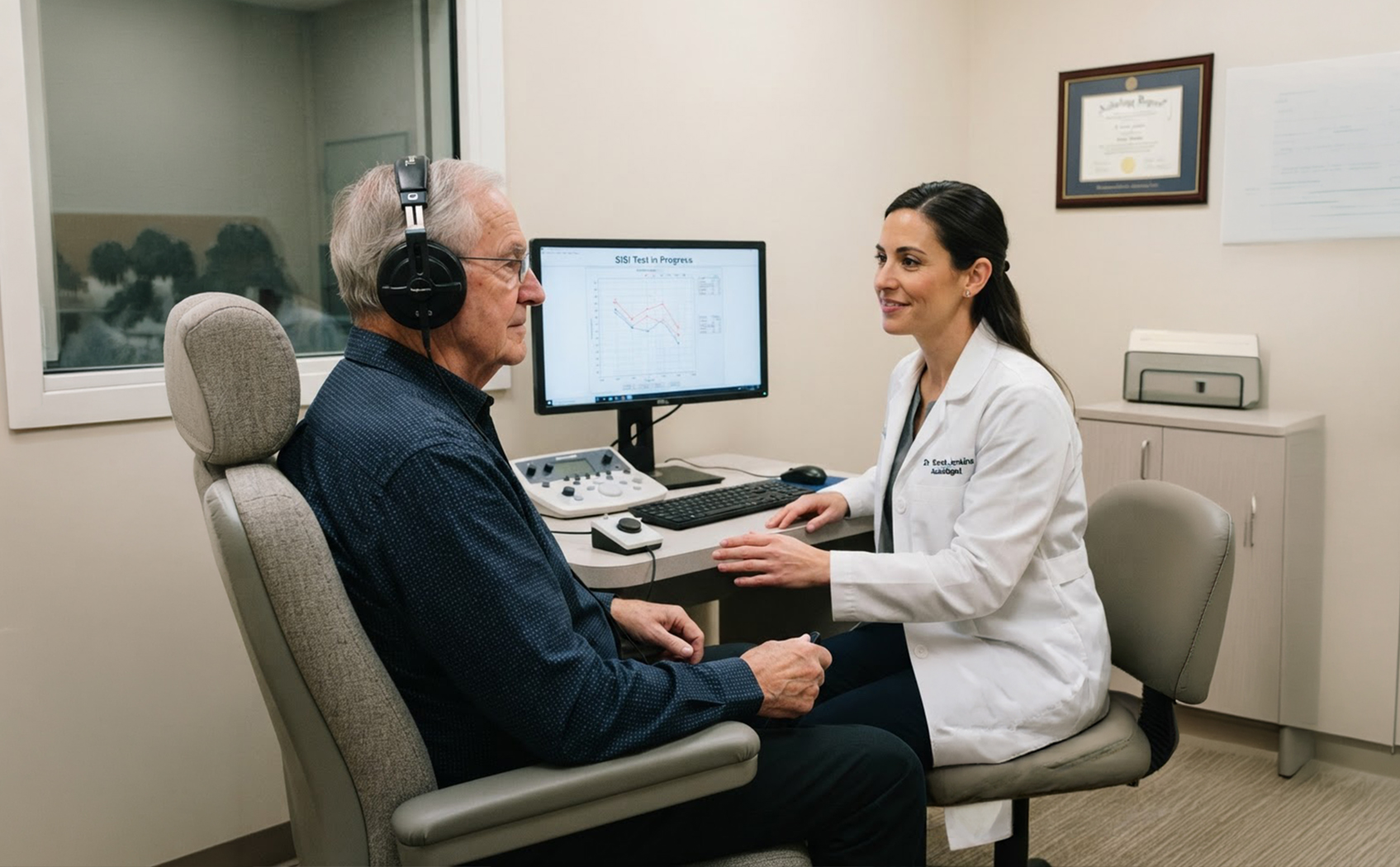
Short Increment Sensitivity Index (SISI)
The Short Increment Sensitivity Index (SISI) detects recruitment abnormal loudness growth linked to cochlear pathology.
How it works: A steady tone p...
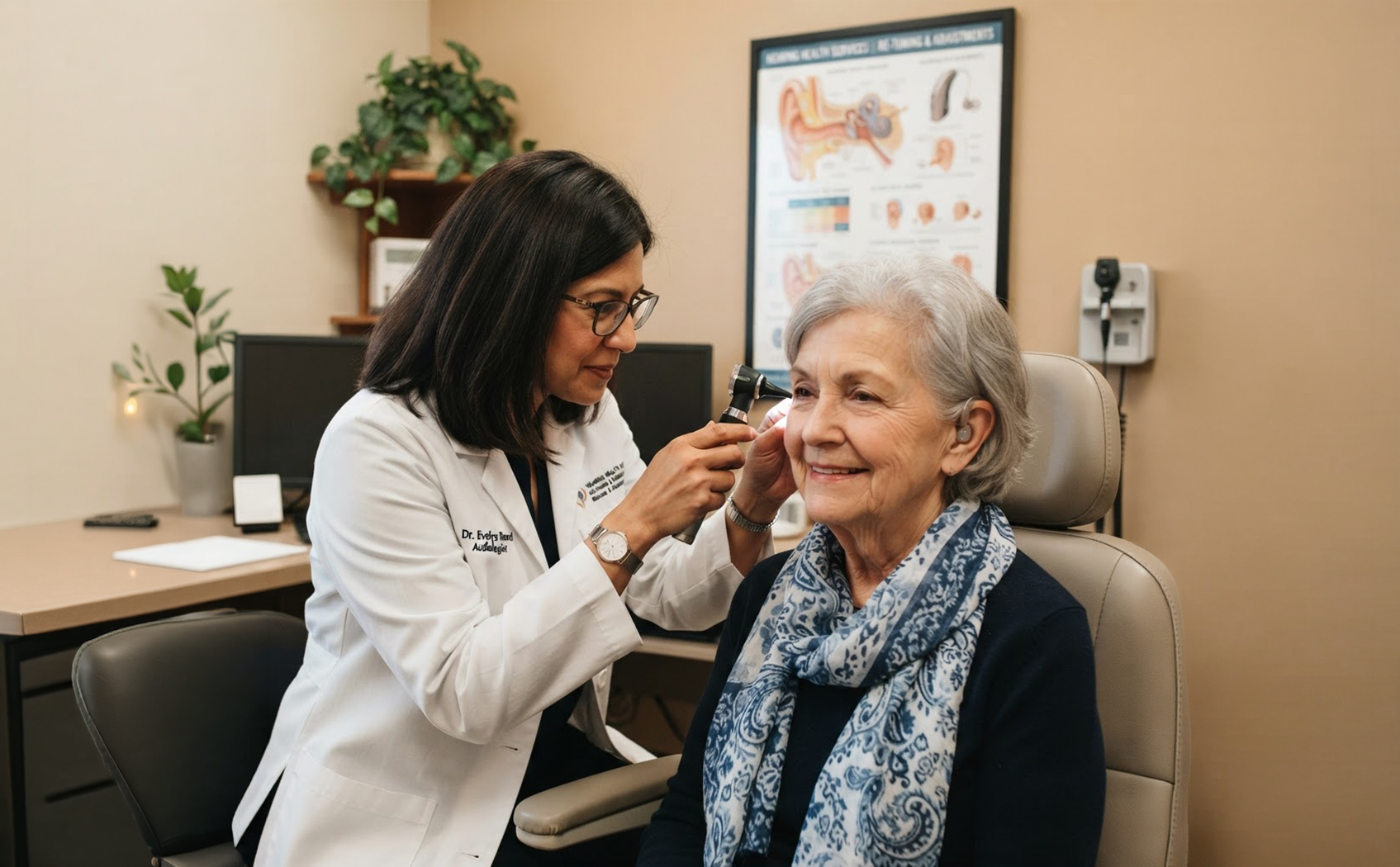
Re-tuning Hearing Instrument
Hearing aids acting up lately? Volume fluctuating, sounds turning sharp and high-pitched or your ears feeling uncomfortable. That's not something to "...
Explore More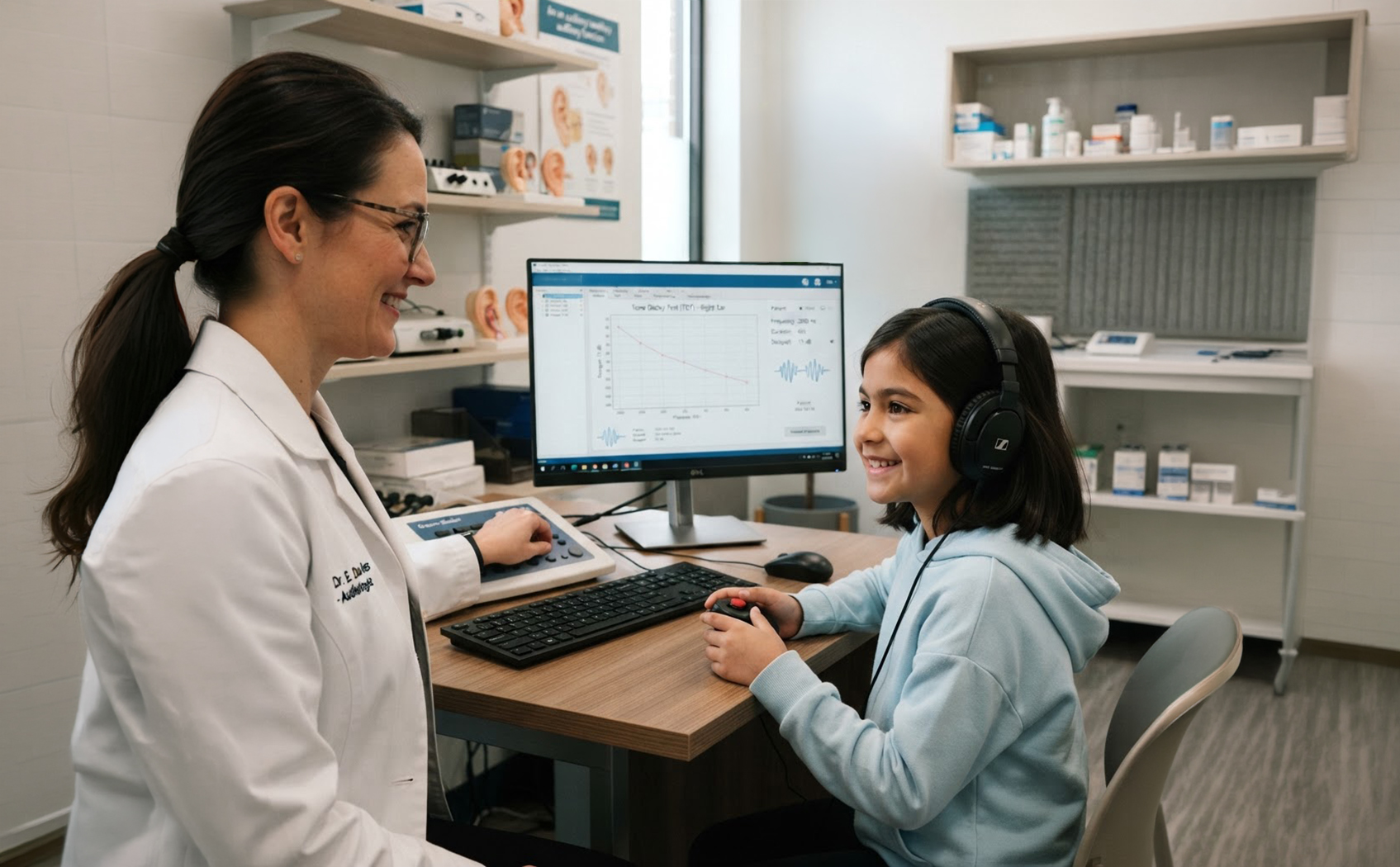
Tone Decay Test (TDT)
The Tone Decay Test (TDT) checks auditory fatigue how long your ear can hear a soft, steady tone. Normal hearing holds it for 60 seconds. If louder vo...
Explore More
Articulation Assessment
Articulation Assessment is an iPad-based tool that helps Speech-Language Pathologists evaluate articulation and phonology in children and adults. It o...
Explore More
Delayed Language Assessment
Delayed language is the most common developmental concern in preschoolers. Causes range from hearing loss and developmental delay to psychosocial or b...
Explore More
Voice Therapy
Voice therapy treats phonation issues in the larynx, helping restore vocal strength and clarity to how it naturally sounded. It's guided by a speech-l...
Explore More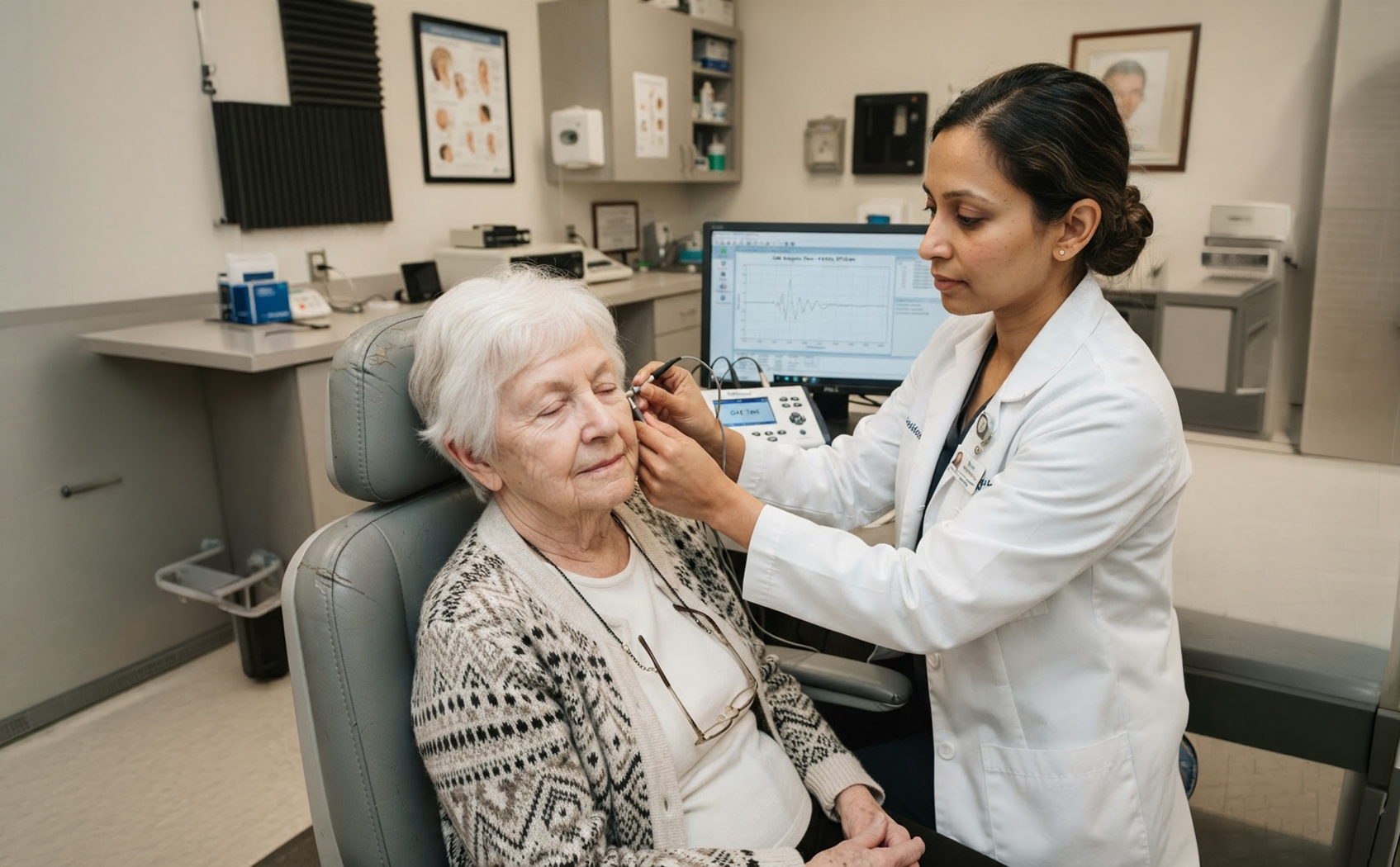
OAE (Oto Acoustic Emissions)
An Oto acoustic Emissions (OAE) test checks how well your cochlea (inner ear) is working. Sound-sensitive hair cells inside the cochlea vibrate in res...
Explore More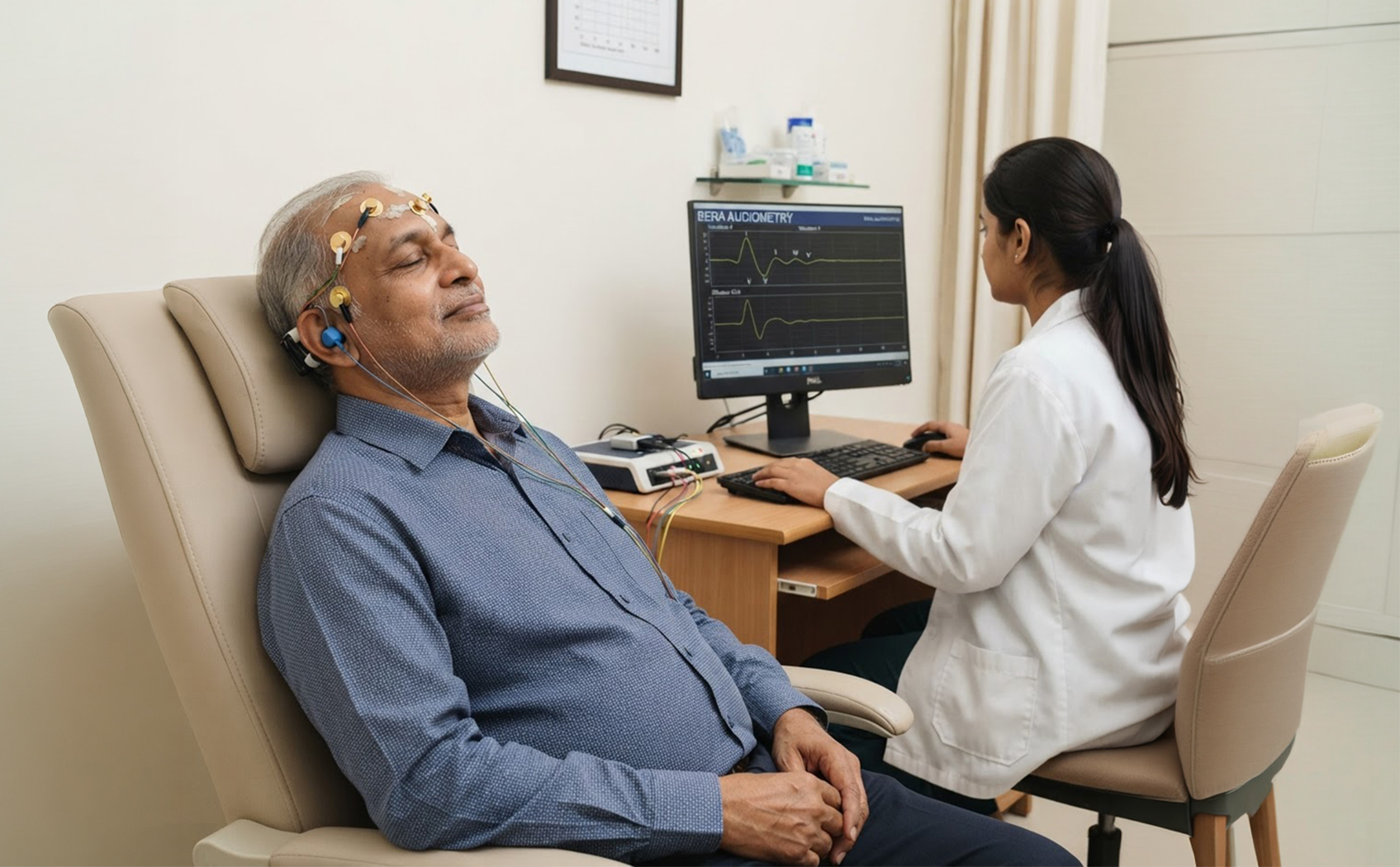
BERA (Brainstem Evoked Response Audiometry)
BERA (Brainstem Evoked Response Audiometry) checks how your brain responds to sound measuring how fast nerve signals travel from the ear to the brain...
Explore More
Fluency Assessment
Struggling with stuttering isn't just about speech it touches confidence, emotions and daily communication too. An SLP's assessment looks at the full...
Explore More
Speech Therapy
Struggling with speech, language, memory, or swallowing concerns? Our Speech-Language Pathologists are here to help evaluate and treat communication a...
Explore More