Tinnitus
Tinnitus is the perception of ringing, buzzing, hissing or humming in the ears when no matching external sound is present. It is a symptom, not a disease, and it is often linked with hearing loss, noise exposure or other changes in the ear.

What are the common tinnitus symptoms?
Tinnitus symptoms differ from person to person. The sound may be ringing, buzzing, clicking or whistling, soft or loud, constant or occasional. It can affect one ear or occur as tinnitus in both ears, and it is often more noticeable at night. At Muskan Speech & Hearing Centre, audiologists assess the sound together with the person’s hearing.
What are the reasons for tinnitus?
Tinnitus causes are varied. Common ones include:
- Exposure to loud noise
- Age-related hearing loss
- Earwax blockage
- Ear infections
- Head or neck injury
- Certain medicines that affect the inner ear
- Stress, which can make the sound feel stronger
Tinnitus does not usually cause hearing loss, but the two often occur together. Hearing loss is one of the most frequent underlying causes, so a hearing test is a useful first step.
How is tinnitus assessed?
- Case history covering onset, duration and daily impact
- Pure tone audiometry to check hearing levels in both ears
- Speech understanding tests, if needed
- Pitch and loudness matching, where suitable
- Explanation of findings and ENT referral, if required
Tinnitus cannot be cured in most cases, but it can be managed. Treating earwax or infection may help when they are the cause. If hearing loss is present, hearing aids with sound-support features may reduce awareness of the sound. Soft background sound, relaxation practices, sufficient sleep and avoiding loud noise are also commonly suggested.
When should medical help be sought promptly?
- Tinnitus that starts suddenly
- Sound in one ear only
- A sound that beats in time with the pulse
- Sudden hearing loss, dizziness, ear pain or discharge
- Tinnitus after a head injury
We're Providing Best Services
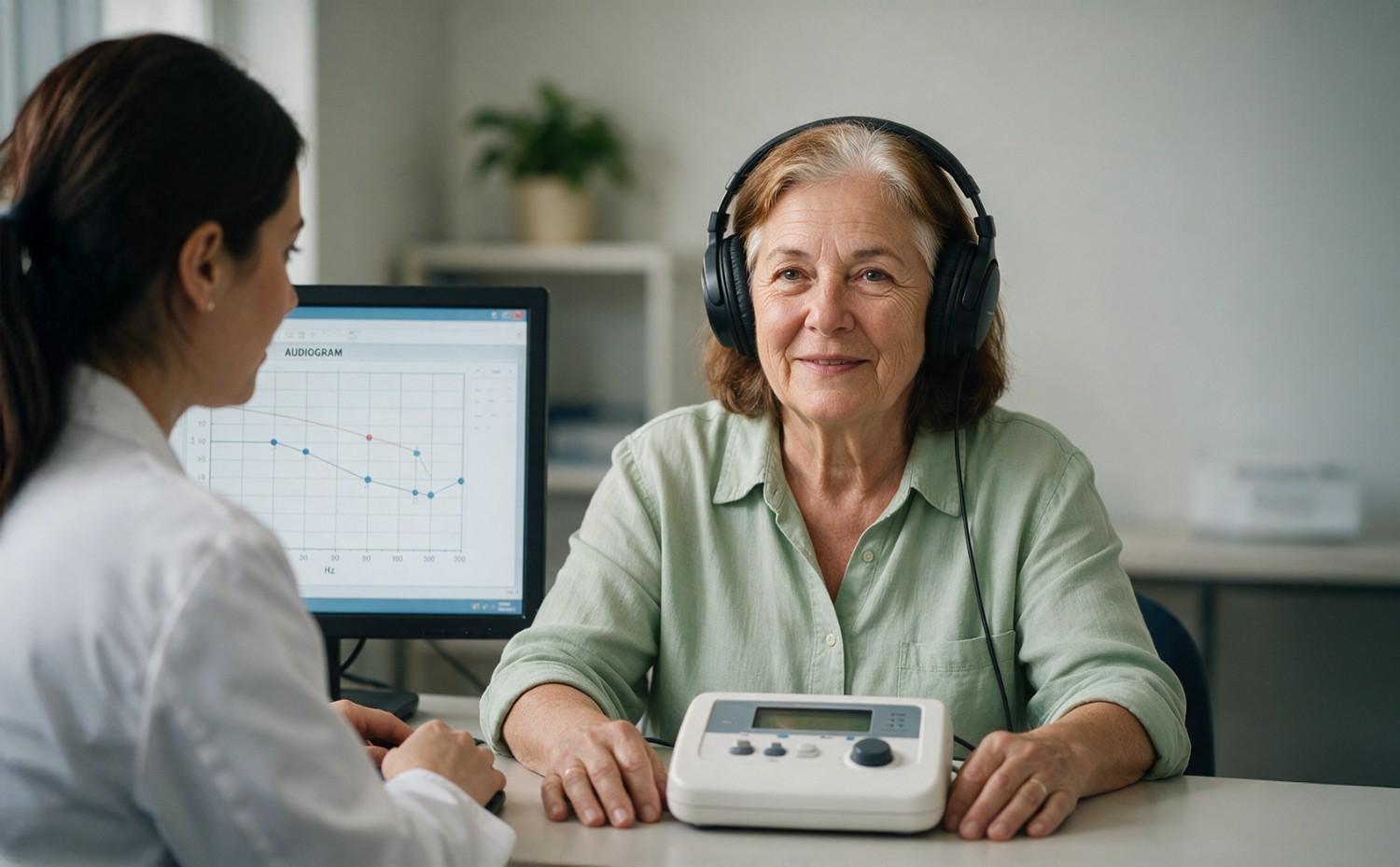

Pure Tone Audiometry
Pure Tone Audiometry (PTA) is the key hearing test performed by our Hearing Experts to establish hearing threshold levels for each patient. It helps d...
Explore More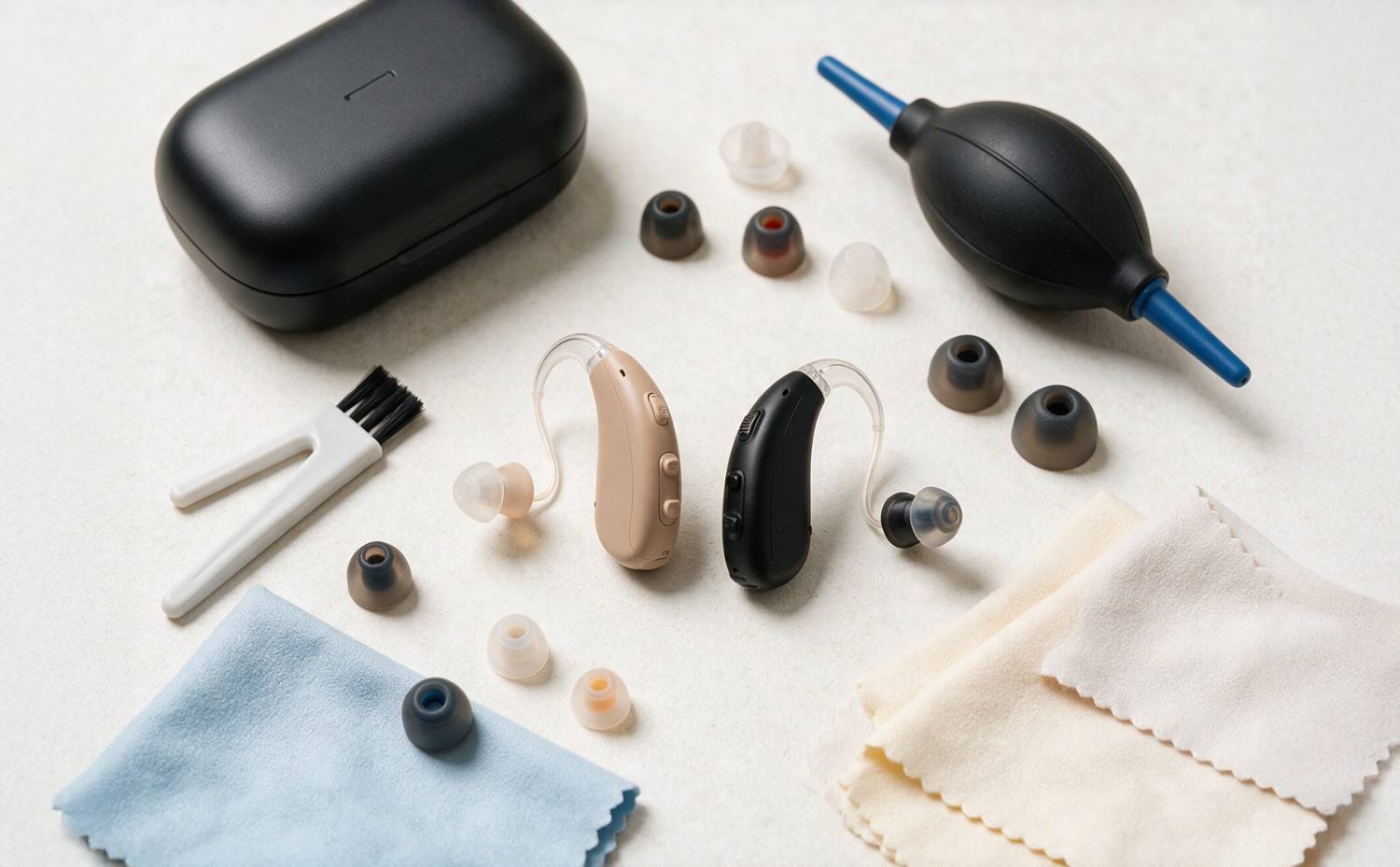
Hearing Instrument Accessories
Hearing aid accessories now do more than the basics. Remote controls and AI-assisted apps let users adjust volume and programs discreetly. Bluetooth s...
Explore More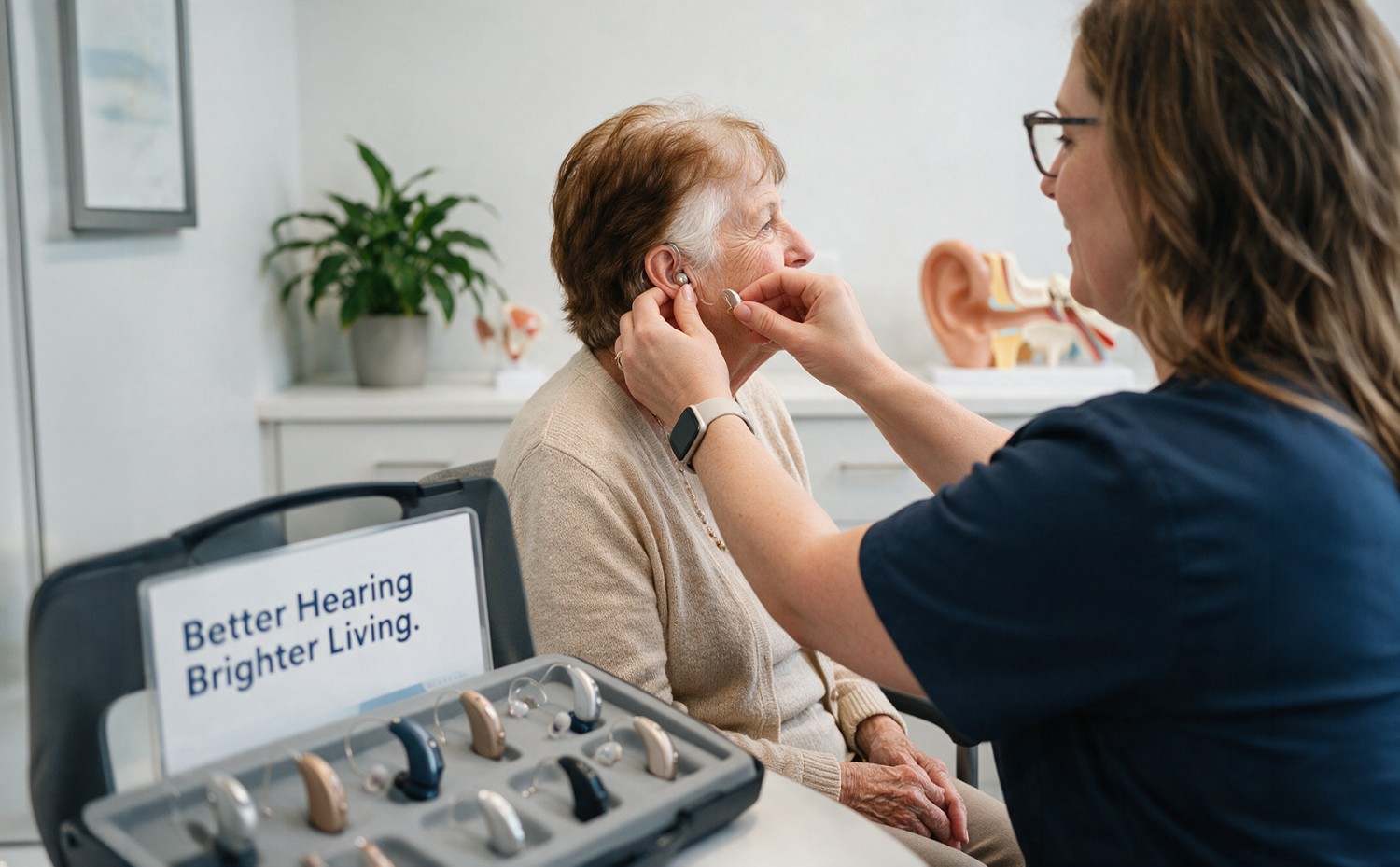
Trial & Sales of Hearing Instruments
Every ear tells a different story. Our Signia range spans sleek, invisible styles to advanced tech built for real life. Our experts listen first, then...
Explore More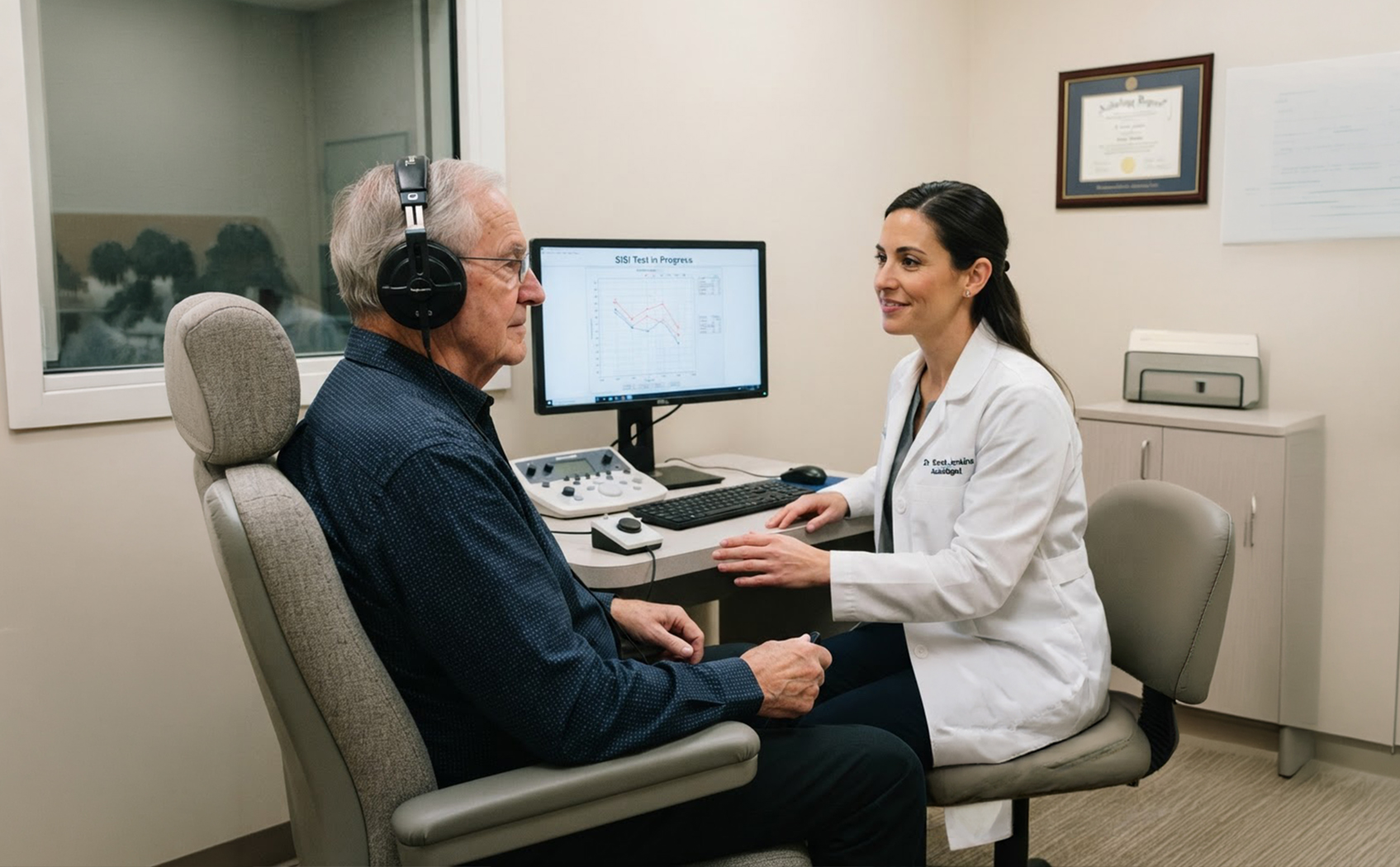
Short Increment Sensitivity Index (SISI)
The Short Increment Sensitivity Index (SISI) detects recruitment abnormal loudness growth linked to cochlear pathology.
How it works: A steady tone p...
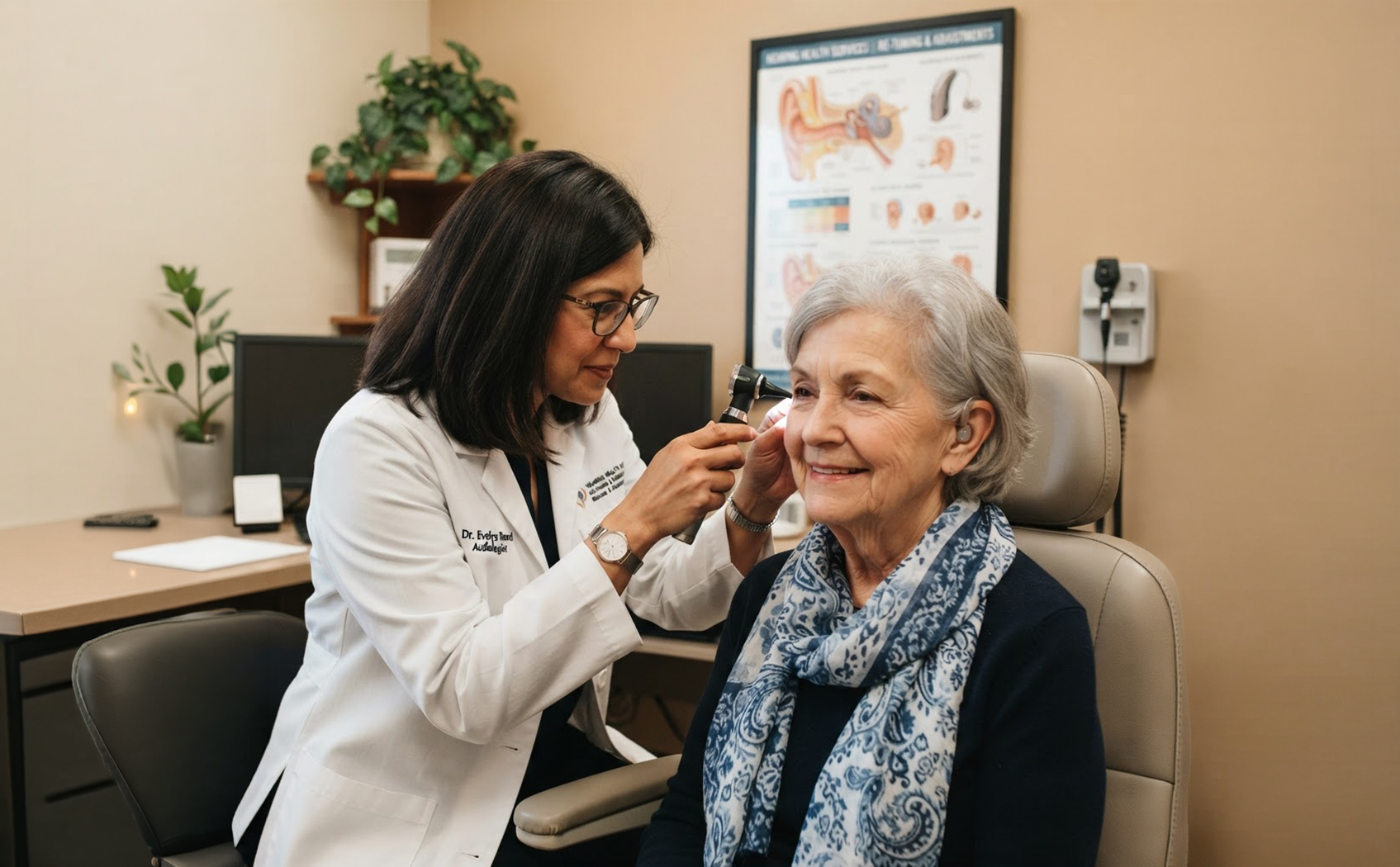
Re-tuning Hearing Instrument
Hearing aids acting up lately? Volume fluctuating, sounds turning sharp and high-pitched or your ears feeling uncomfortable. That's not something to "...
Explore More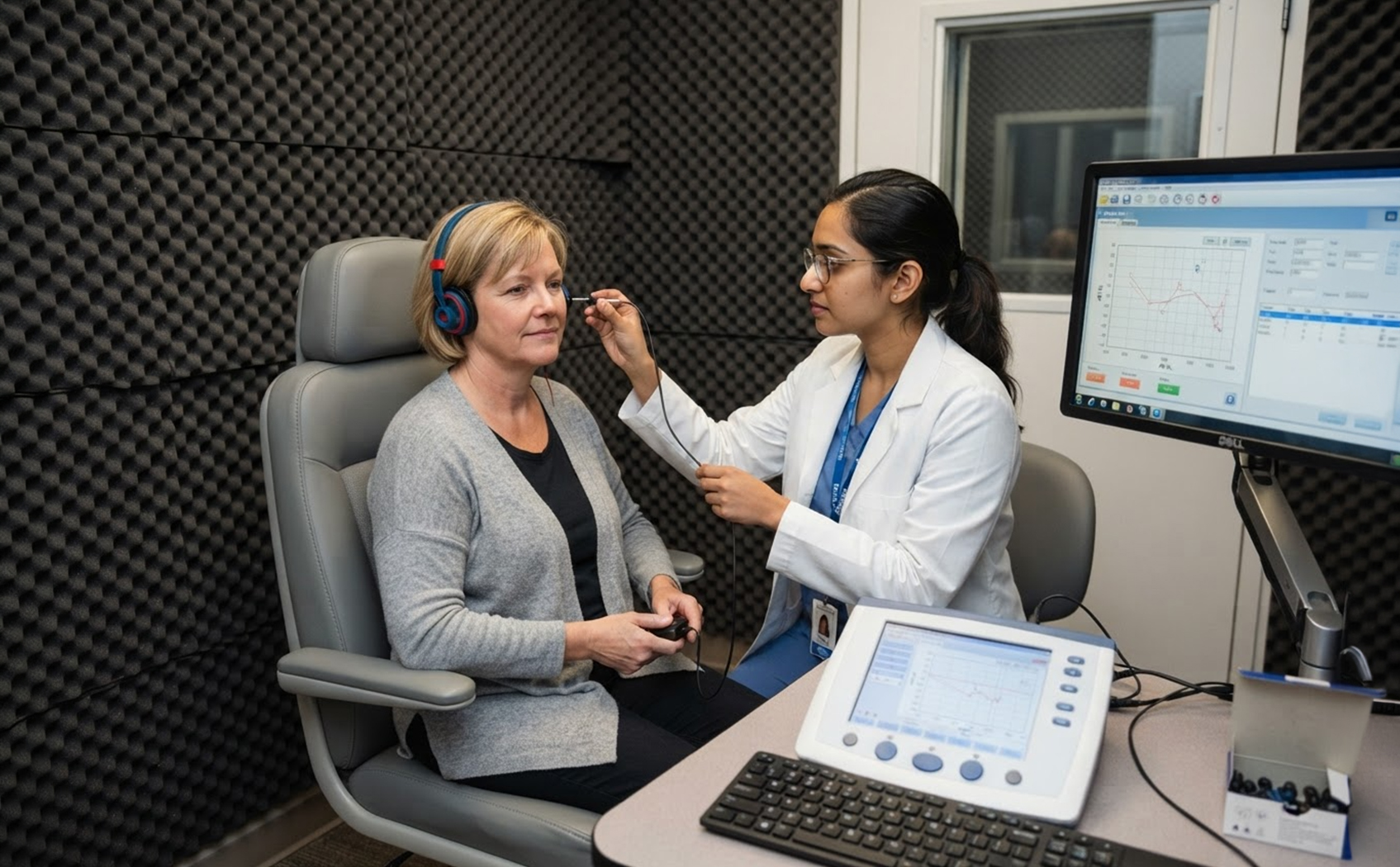
Impedance Audiometry & Tympanometry
An objective test with no guesswork. It checks:
- Middle ear pressure (Tympanometry)
- Stapedius reflex response
- Eardrum mobility
No patient...
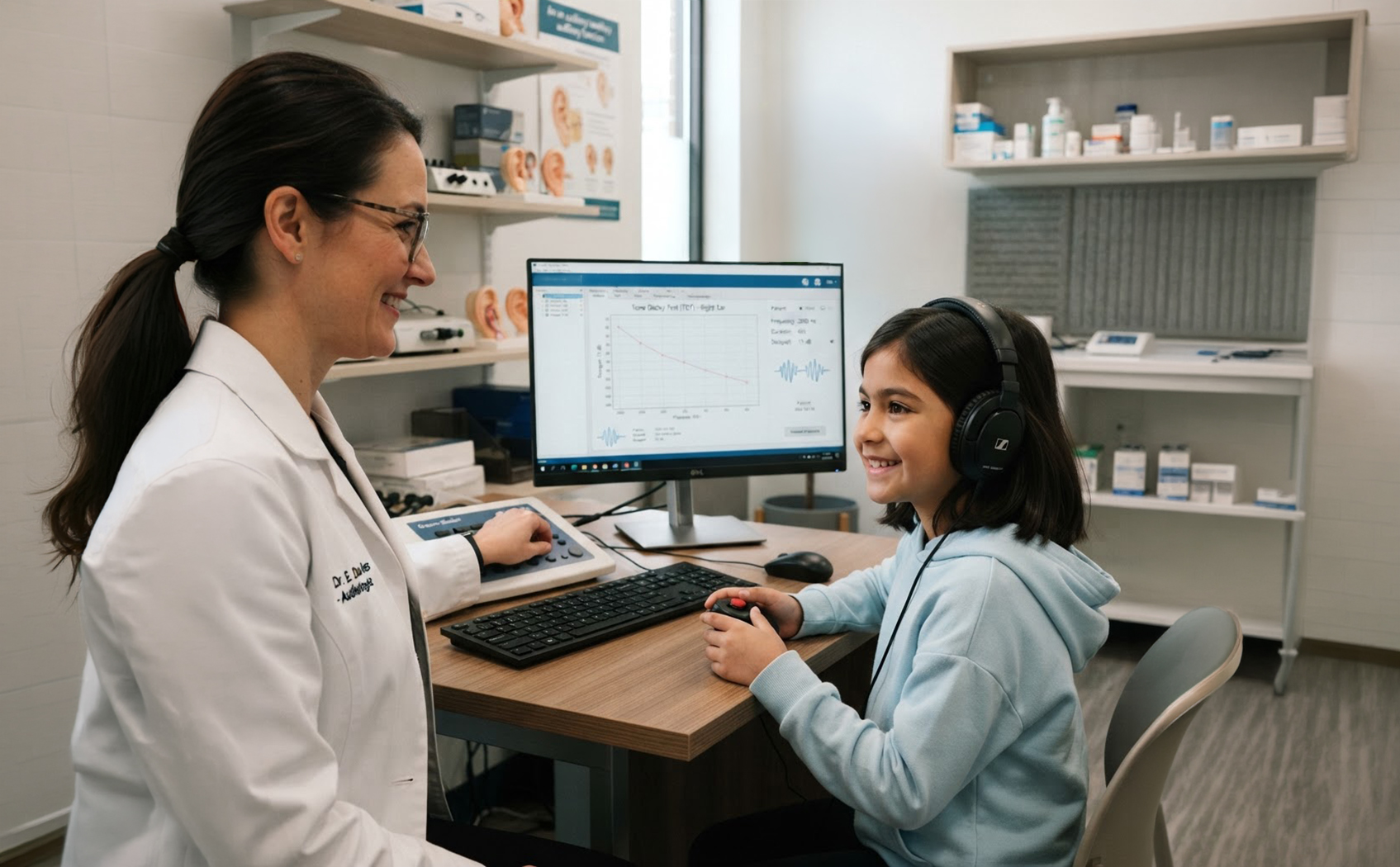
Tone Decay Test (TDT)
The Tone Decay Test (TDT) checks auditory fatigue how long your ear can hear a soft, steady tone. Normal hearing holds it for 60 seconds. If louder vo...
Explore More
Articulation Assessment
Articulation Assessment is an iPad-based tool that helps Speech-Language Pathologists evaluate articulation and phonology in children and adults. It o...
Explore More
Delayed Language Assessment
Delayed language is the most common developmental concern in preschoolers. Causes range from hearing loss and developmental delay to psychosocial or b...
Explore More
Voice Therapy
Voice therapy treats phonation issues in the larynx, helping restore vocal strength and clarity to how it naturally sounded. It's guided by a speech-l...
Explore More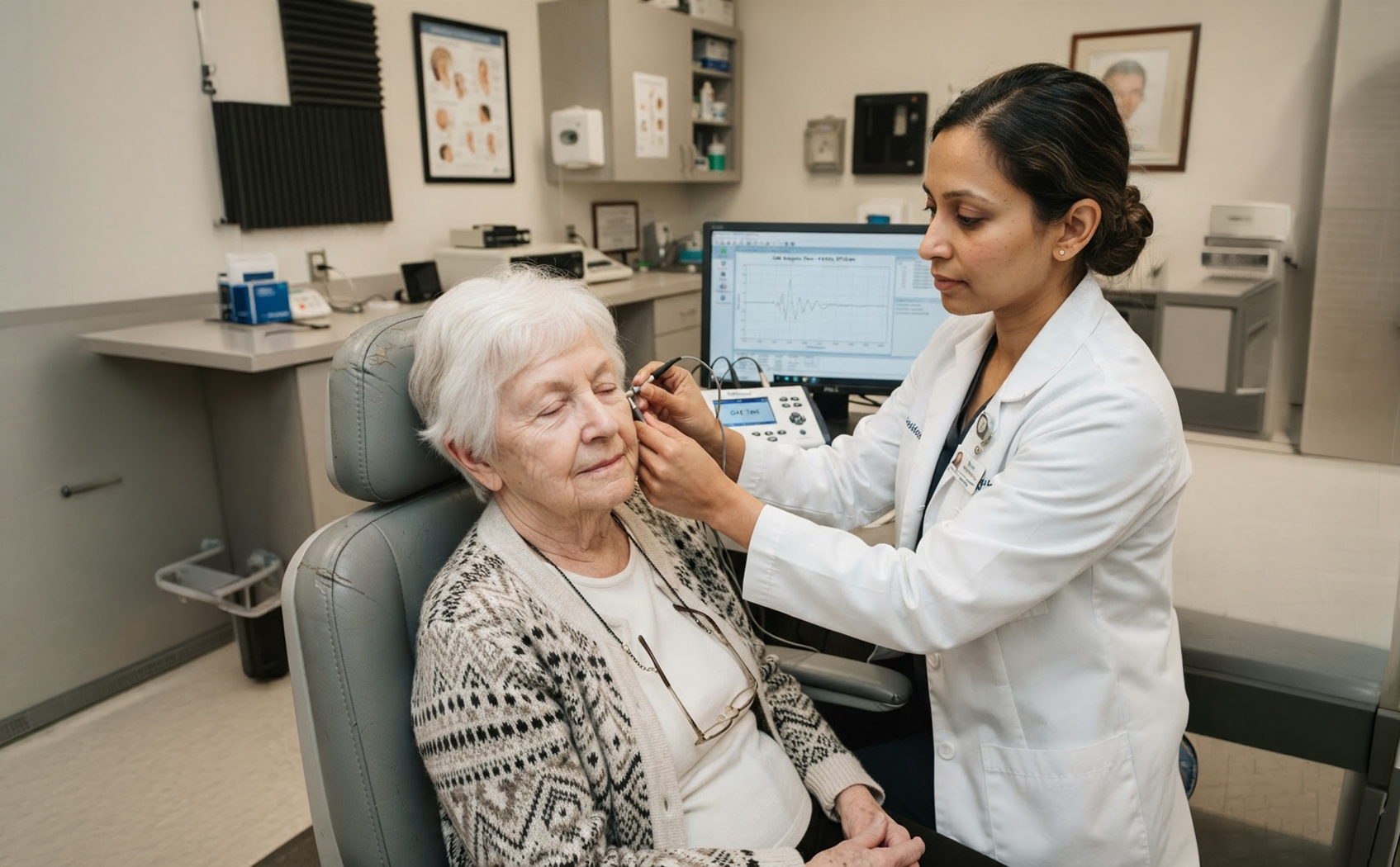
OAE (Oto Acoustic Emissions)
An Oto acoustic Emissions (OAE) test checks how well your cochlea (inner ear) is working. Sound-sensitive hair cells inside the cochlea vibrate in res...
Explore More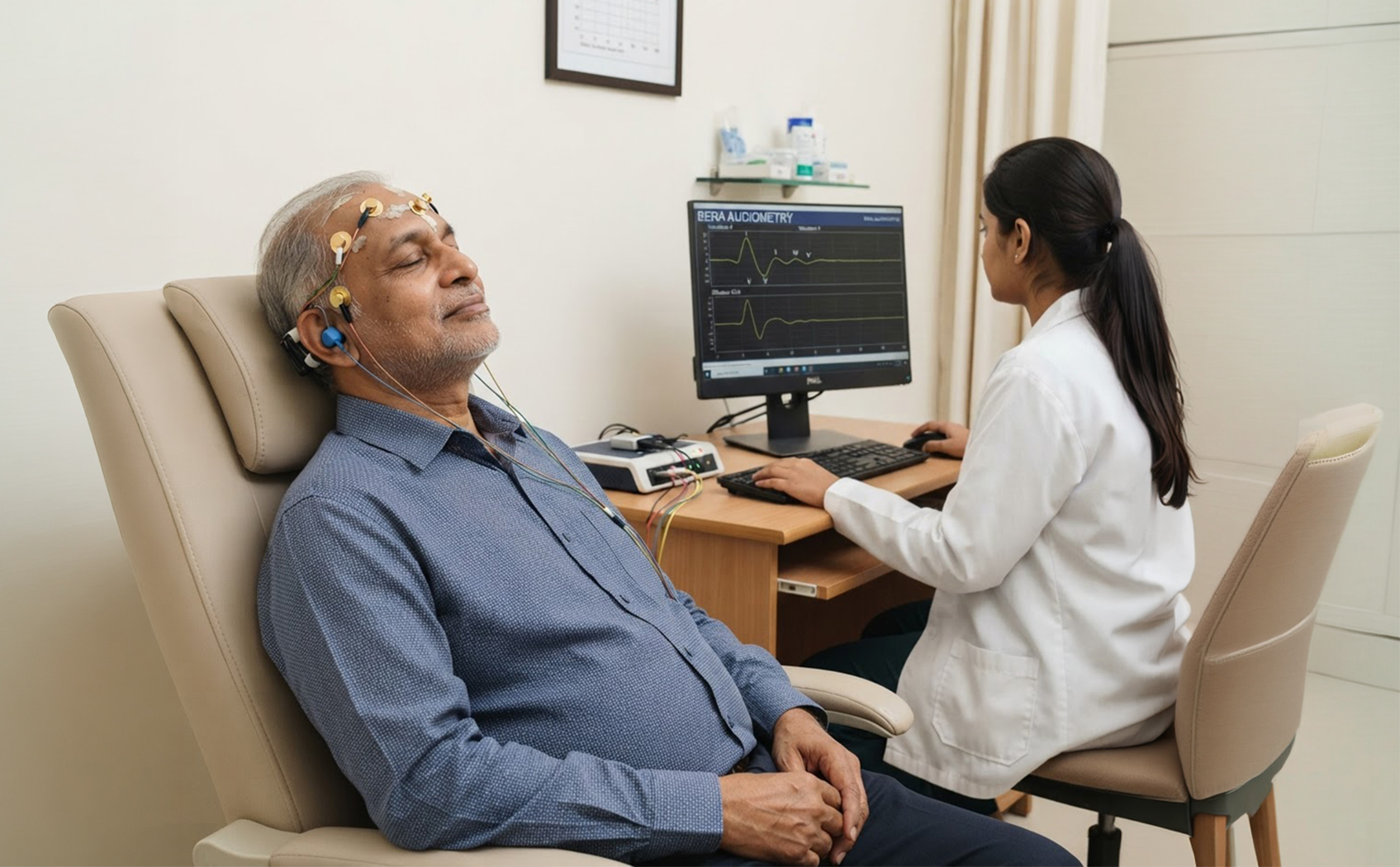
BERA (Brainstem Evoked Response Audiometry)
BERA (Brainstem Evoked Response Audiometry) checks how your brain responds to sound measuring how fast nerve signals travel from the ear to the brain...
Explore More
Fluency Assessment
Struggling with stuttering isn't just about speech it touches confidence, emotions and daily communication too. An SLP's assessment looks at the full...
Explore More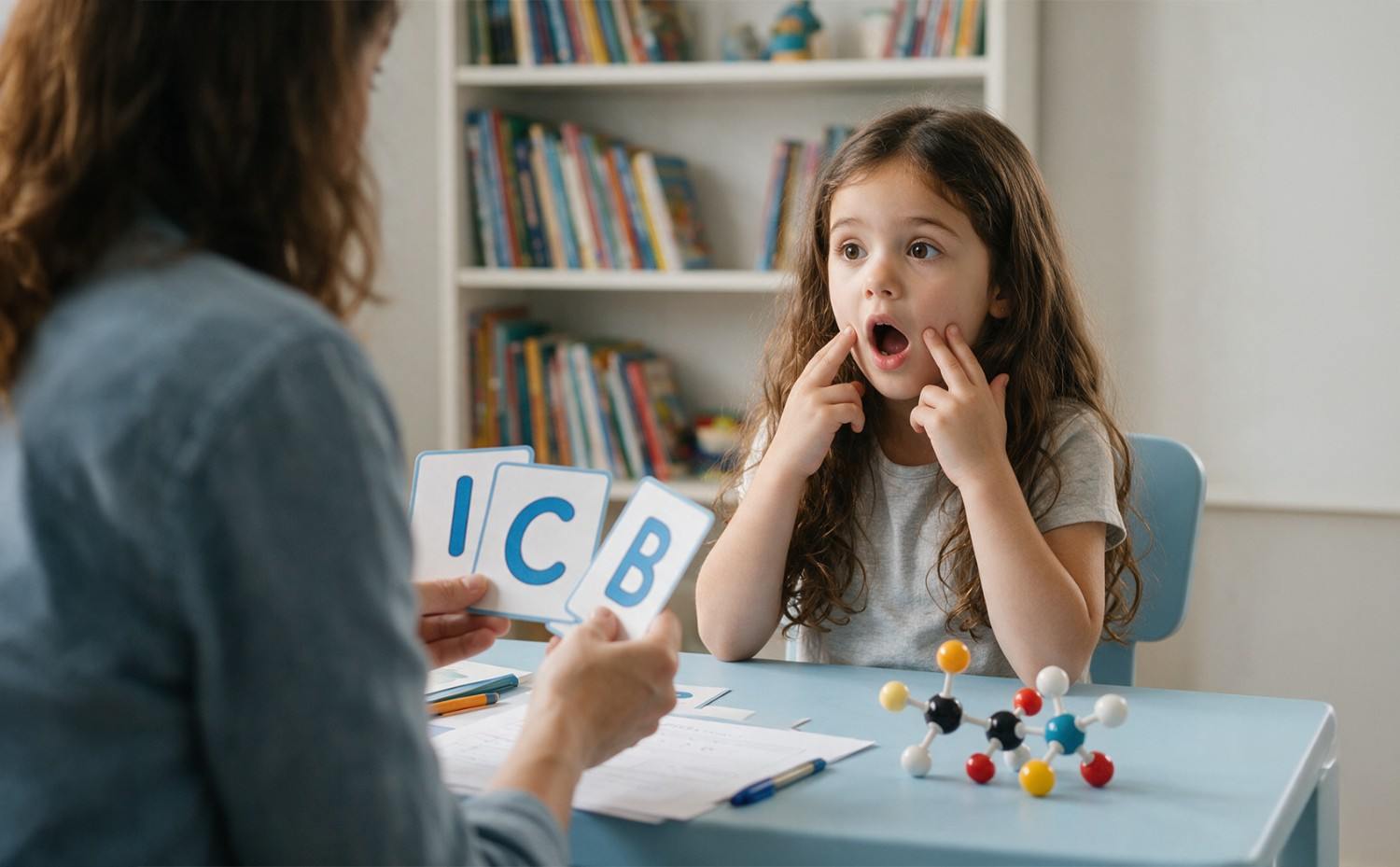
Speech Therapy
Struggling with speech, language, memory, or swallowing concerns? Our Speech-Language Pathologists are here to help evaluate and treat communication a...
Explore More